
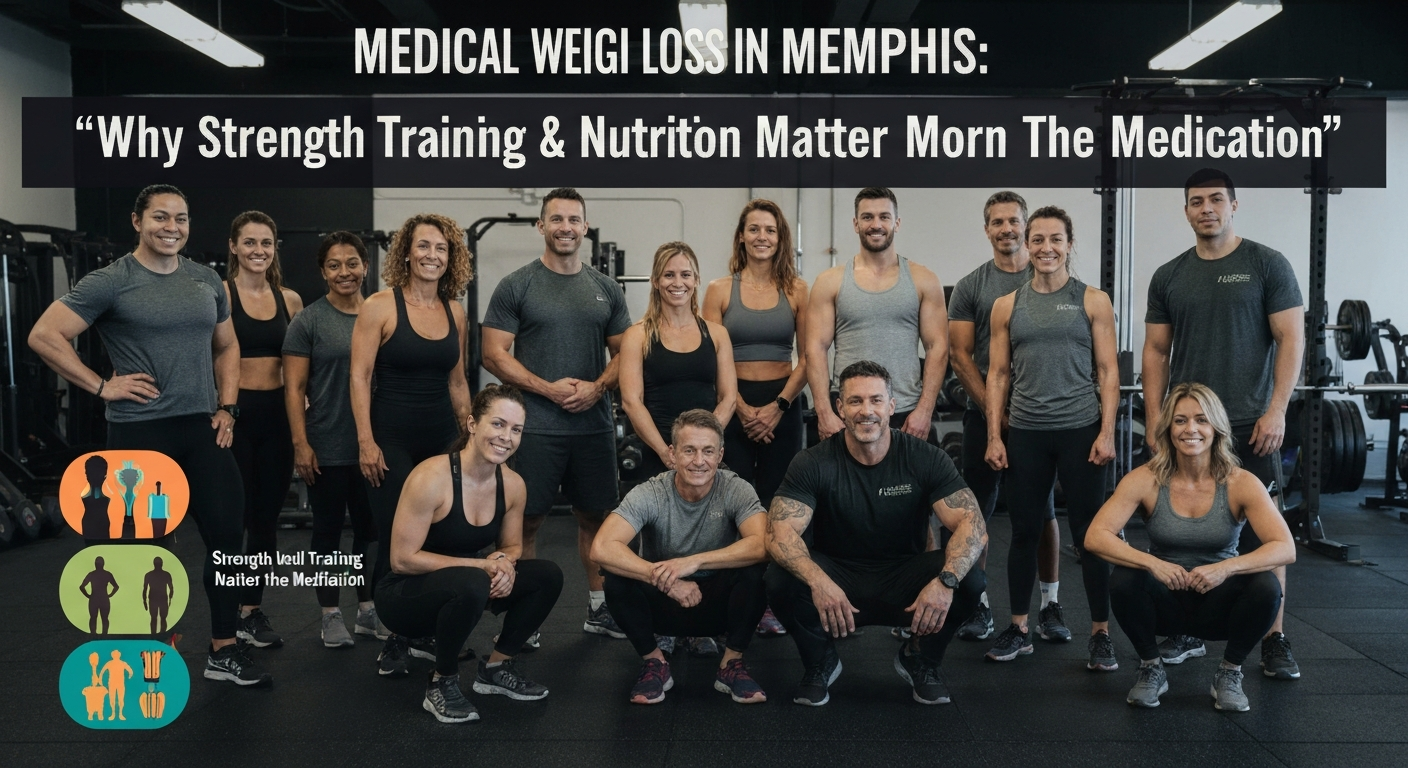

Medical Weight Loss in Memphis: Why Strength Training & Nutrition Matter More Than the Medication
In the evolving landscape of weight management, medical weight loss medications have emerged as powerful tools, offering new hope for individuals struggling with obesity and its related health challenges. Here in Memphis, many are exploring these options, drawn by the promise of significant weight reduction. At Fit 901, we recognize the legitimate role these medications can play in a comprehensive strategy. However, it’s crucial to understand a fundamental truth: while medications can be catalysts, they are not standalone solutions. For truly sustainable, transformative, and health-enhancing weight loss, the foundational pillars of strength training and nutrition remain paramount.
This post will delve into why a holistic approach, prioritizing lifestyle changes, is not just beneficial, but absolutely essential for anyone embarking on a medical weight loss journey.
The Role of Medical Weight Loss Medications: A Catalyst, Not a Cure
Medical weight loss medications, such as GLP-1 agonists, work by influencing various physiological processes related to appetite, satiety, and metabolism. They can be incredibly effective at helping individuals initiate weight loss and overcome some of the biological hurdles that make weight loss so challenging.
Understanding How Medications Work
- Appetite Suppression: Many medications help reduce hunger signals, making it easier to consume fewer calories.
- Increased Satiety: They can enhance feelings of fullness, meaning you feel satisfied with smaller portions.
- Metabolic Modulation: Some may influence how the body processes food or stores fat, though this is often secondary to appetite control.
By creating a more manageable environment for caloric restriction, these medications can provide a much-needed “head start,” allowing individuals to begin seeing results that might otherwise feel out of reach.
The Pitfalls of Over-Reliance
While effective, relying solely on medication without addressing underlying lifestyle factors can lead to several challenges:
- Weight Regain: If healthy eating habits and regular physical activity aren’t established, weight often returns once medication is discontinued.
- Side Effects: Like all medications, weight loss drugs can have side effects, ranging from nausea and digestive issues to more serious concerns.
- Lack of Fundamental Change: Medication doesn’t teach you how to make healthy food choices, manage stress, or build a strong body. These are skills that must be learned and practiced.
Viewing medication as the sole answer often fosters a “quick fix” mentality, which rarely leads to lasting success or improved overall health.
Why Strength Training is Non-Negotiable for Sustainable Weight Loss
When people think of exercise for weight loss, cardio often comes to mind first. While cardio is beneficial, strength training holds a unique and superior position for long-term body composition changes and metabolic health.
Building Muscle, Boosting Metabolism
Muscle tissue is metabolically active, meaning it burns more calories at rest than fat tissue. The more muscle you have, the higher your basal metabolic rate (BMR) will be. This means you’ll burn more calories throughout the day, even when you’re not exercising.
- Increased Calorie Burn: Strength training sessions themselves burn calories, but the real magic happens afterwards.
- EPOC (Excess Post-exercise Oxygen Consumption): Often called the “afterburn effect,” your body continues to burn extra calories for hours, sometimes even days, after a strength training workout as it repairs and rebuilds muscle tissue.
Improving Body Composition and Shape
Weight loss is not just about the number on the scale; it’s about body composition – the ratio of fat to muscle. Strength training helps you lose fat while preserving or even gaining muscle, leading to a leaner, more toned physique. This can result in a smaller clothing size even if the scale doesn’t drop dramatically.
- Reduced Visceral Fat: Strength training is particularly effective at reducing dangerous visceral fat, which surrounds organs and is linked to chronic diseases.
- Enhanced Aesthetics: Beyond health, building muscle creates a more desirable body shape and improves posture.
Enhancing Functional Strength and Longevity
The benefits of strength training extend far beyond aesthetics and metabolism. It improves your ability to perform everyday tasks, reduces the risk of injury, and contributes significantly to your overall quality of life as you age.
- Stronger Bones and Joints: Weight-bearing exercises help increase bone density, reducing the risk of osteoporosis. They also strengthen the muscles and ligaments around joints, improving stability.
- Better Balance and Coordination: Essential for preventing falls, especially later in life.
- Increased Energy and Stamina: Everyday activities become easier, and you’ll have more energy throughout the day.
Mental and Emotional Benefits
The psychological impact of strength training is profound. It fosters a sense of accomplishment, builds confidence, and can be a powerful stress reliever.
- Improved Mood: Exercise releases endorphins, natural mood elevators.
- Reduced Stress and Anxiety: A great outlet for mental tension.
- Enhanced Self-Efficacy: Witnessing your physical capabilities grow builds confidence and a belief in your ability to achieve goals.
The Unsung Hero: Nutrition as the Foundation of Health and Weight Management
You simply cannot out-train a poor diet. Nutrition is the bedrock upon which all successful weight loss and health improvement efforts are built. While medication can help control appetite, it doesn’t dictate what you eat. That’s where smart, sustainable nutritional choices come in.
Beyond Calorie Counting: Nutrient Density is Key
Focusing solely on calories can be misleading. A 200-calorie cookie is vastly different from 200 calories of lean protein and vegetables. Nutrient-dense foods provide essential vitamins, minerals, fiber, and protein that fuel your body, promote satiety, and support overall health.
- Prioritize Whole Foods: Lean proteins (chicken, fish, beans), complex carbohydrates (whole grains, sweet potatoes), healthy fats (avocado, nuts, olive oil), and an abundance of fiber-rich fruits and vegetables.
- Satiety and Energy: Protein and fiber are particularly effective at keeping you feeling full and energized, reducing cravings and overeating.
Creating a Sustainable Caloric Deficit
Weight loss fundamentally requires consuming fewer calories than you burn. Medication can make this easier, but understanding *how* to achieve this deficit with nourishing foods is crucial for long-term success.
- Portion Control: Learning appropriate portion sizes is vital, even with healthy foods.
- Mindful Eating: Paying attention to hunger and fullness cues, eating slowly, and savoring your meals can prevent overconsumption.
- Strategic Snacking: Opt for healthy snacks that support your goals rather than derailing them.
Fueling Your Workouts and Recovery
Proper nutrition is essential to maximize the benefits of your strength training. Adequate protein intake is critical for muscle repair and growth, while carbohydrates provide the energy needed for intense workouts.
- Pre-Workout Fuel: Complex carbs for sustained energy.
- Post-Workout Recovery: A combination of protein and carbohydrates to replenish glycogen stores and repair muscle tissue.
- Hydration: Often overlooked, staying well-hydrated is crucial for metabolic function, energy levels, and overall health.
Addressing Emotional Eating and Habits
Food is often intertwined with emotions, stress, and social situations. A sustainable nutrition plan must address these behavioral aspects, not just the caloric content of food.
- Identify Triggers: Understand why you eat beyond physical hunger.
- Develop Coping Mechanisms: Find non-food ways to manage stress and emotions.
- Build Healthy Habits: Gradually replace old, unhelpful eating patterns with new, supportive ones.
Integrating Medication, Movement, and Meals: The Fit 901 Approach
At Fit 901, we believe in a synergistic approach to weight loss and health. Medical weight loss medications can be a valuable component, but they are most effective when integrated into a comprehensive strategy that prioritizes personalized strength training and nutrition coaching.
Personalized Plans for Lasting Success
There’s no one-size-fits-all solution. Our approach considers your unique physiology, lifestyle, preferences, and goals. We work with you to develop a plan that is sustainable and effective, whether you’re using medication or not.
Ready to See What’s Possible?
Whether you’re starting with our 9-week transformation, joining a CrossFit class, or beginning physician-led medical weight loss, the path begins the same way: a real conversation with our team.
Tell us where you are and where you want to be — we’ll personally call you within 24 hours to talk through which Fit 901 path fits your goals.
About the Author
Rob Yahn is the owner and head coach of Fit 901 in Memphis. A 32-year firefighter and paramedic, USAW-certified weightlifting coach, and CrossFit Level 2 Trainer, Rob has spent over two decades coaching real Memphians through real transformations. Save 901-657-4552 in your phone — that’s the Fit 901 line.